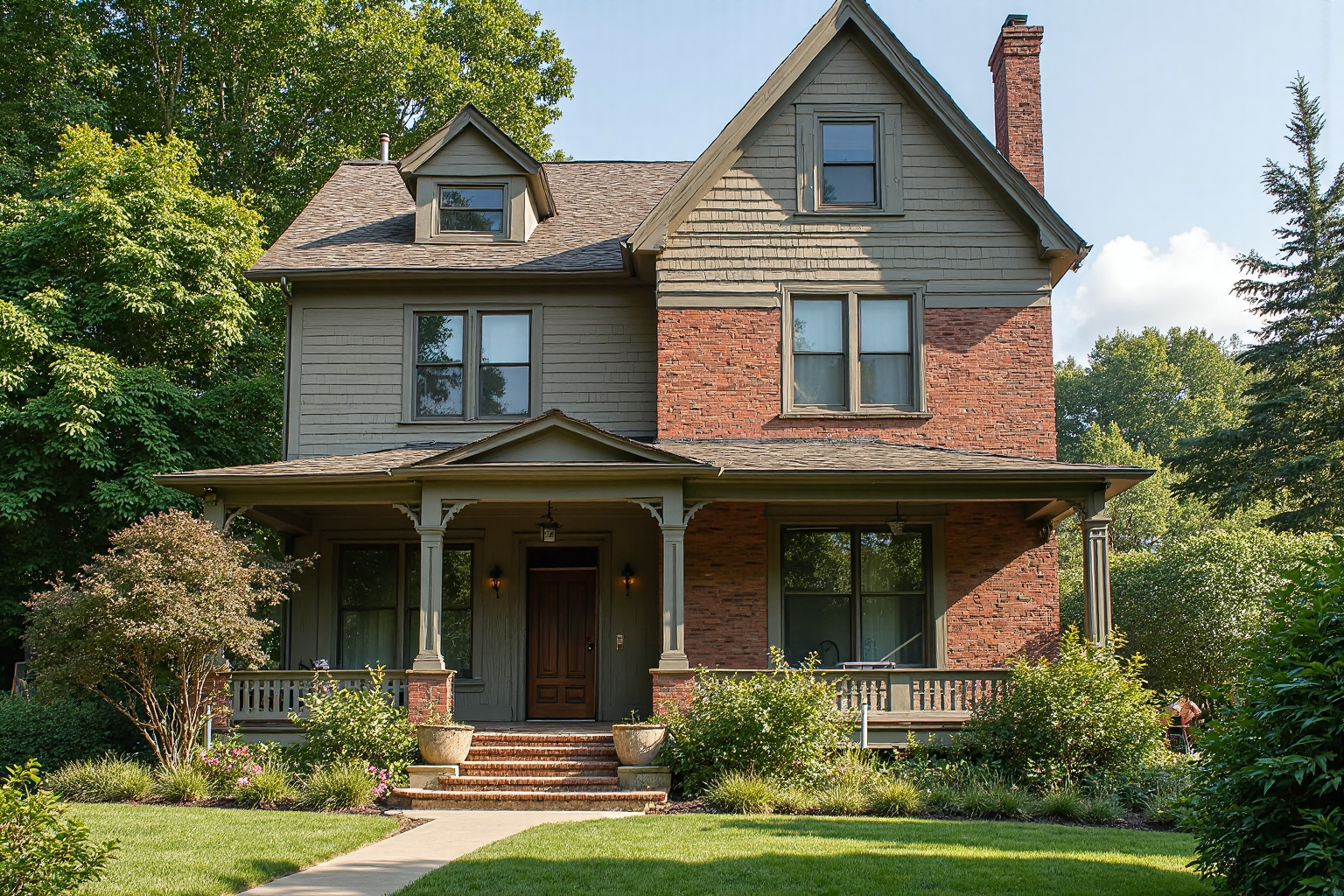
The Allure and Challenges of Historic Home Ownership
Owning a historic home is like owning a piece of history, a tangible connection to the past. It’s a unique experience filled with old house charm, character, and the profound satisfaction of preserving architectural heritage. Imagine waking up each morning surrounded by the exquisite craftsmanship and intricate details of a bygone era, becoming a custodian of a heritage property. But this rewarding journey also presents a unique set of challenges, distinct from the experience of owning a conventional home. This comprehensive guide delves into the multifaceted aspects of historic home ownership, exploring both the allure and the hurdles. From navigating historic property tax credits and preservation easements to understanding the nuances of old house maintenance, we’ll equip you with practical advice and expert insights to embark on this exciting venture with confidence.
Stepping into a historic home is like stepping back in time, offering a glimpse into previous generations’ lives and architectural styles. Whether your dream is a Victorian-era mansion, a craftsman bungalow, or a colonial farmhouse, understanding the realities of antique home ownership is paramount. This guide will help you navigate the complexities of historic home restoration, ensuring you’re prepared for the financial, practical, and regulatory aspects of owning a piece of the past. Preserving the historical integrity of these homes requires specialized knowledge and resources, from sourcing period-specific materials to finding qualified contractors experienced in historic home renovation.
Still, this guide will also address the importance of respecting local preservation regulations and understanding the potential for increased property value that comes with owning a well-maintained historic home in a designated historic district. From understanding the financial implications of renovation projects to finding the right insurance coverage, we’ll provide you with the tools you need to make informed decisions. For instance, homeowners in historic districts often face unique challenges when it comes to exterior modifications. Replacing windows, updating roofing, or even repainting may require approval from a local historical commission to ensure the changes align with preservation guidelines. This process can be time-consuming but is essential for maintaining the historical integrity of the neighborhood and, can enhance the value of your property.
Similarly, securing the right insurance for a historic home requires careful consideration. Standard homeowner’s insurance policies may not adequately cover the unique risks associated with older properties, such as the replacement of custom-made architectural features or the use of specialized materials. Consulting with an insurance professional experienced in historic homes is crucial to ensure adequate coverage. Finally, the rewards of historic home ownership extend beyond the tangible. These homes offer a connection to the past, a sense of place, and the opportunity to become a steward of history. They provide a unique living experience, rich in character and architectural significance, that can be both personally fulfilling and financially rewarding.
Financial Aspects: Costs, Incentives, and Insurance
The financial landscape of historic home renovation presents unique challenges and opportunities compared to modern properties. Initial estimates for projects involving an antique home often fall short due to the unpredictable nature of uncovering hidden issues. Old house maintenance frequently reveals outdated plumbing systems requiring complete replacement, electrical wiring that doesn’t meet current safety standards, and foundation problems that demand immediate and costly attention. These unforeseen expenses can quickly escalate project budgets, making it crucial to build in a substantial contingency fund. The cost of materials also plays a significant role; preserving historical accuracy often requires sourcing specialized, period-appropriate materials such as custom-milled lumber, handcrafted tiles, or historically accurate paint formulations, all of which can significantly increase project costs. However, while these costs can be substantial, integrating a modern wellness center into a historic home can balance preservation with contemporary functionality, enhancing both value and livability. Furthermore, the labor involved in historic home restoration is often more specialized, requiring skilled craftspeople experienced in traditional building techniques, such as plasterwork, timber framing, or slate roofing, which command higher rates than general contractors. However, while these costs can be substantial, various financial incentives are available to help offset them. Tax incentives such as the Federal Historic Preservation Tax Credit provide a significant benefit to homeowners undertaking substantial rehabilitation projects that adhere to specific preservation standards, often reducing the overall financial burden. Many states also offer their own historic property tax credits or grant programs, which can be combined with federal incentives to further reduce the cost of preserving historic homes. These programs are designed to encourage responsible stewardship of heritage properties and provide a financial incentive for owners to maintain the integrity of historic structures. Understanding the specific criteria and requirements for these incentives is crucial for maximizing financial benefits and ensuring the long-term viability of a historic home restoration. Preservation easements, while often reducing property rights, can provide additional tax benefits and further protect the historic value of the property. These easements ensure that future alterations will also adhere to preservation guidelines, thereby maintaining the old house charm for generations to come. Real estate professionals specializing in historic districts can provide valuable insight into the potential financial returns of investing in a historic home. A well-maintained and historically accurate home in a desirable historic district can appreciate significantly, making the initial investment worthwhile. Furthermore, the limited supply of these unique properties often creates a high demand, further contributing to their long-term value. Therefore, a comprehensive understanding of both the costs and the potential financial benefits is essential for anyone considering the purchase and restoration of a historic home.
Practical Challenges: Contractors, Materials, and Regulations
Securing qualified contractors experienced in historic home restoration is paramount to a successful project. This specialization goes beyond general contracting; it requires a deep understanding of preservation best practices, a sensitivity to historical accuracy, and experience working with older homes and their unique challenges. Look for professionals with a proven track record in historic home renovation, demonstrable expertise in old house maintenance, and a portfolio showcasing successful restorations. For a comprehensive guide on historic home ownership, including financial considerations and planning, visit our dedicated resource. Seek out referrals from local historical societies, preservation organizations, or architects specializing in historic properties. Interview multiple contractors, carefully examining their experience with projects similar to yours, and verify their licensing and insurance.
Sourcing appropriate materials is another critical aspect of historic home renovation. Preserving the home’s historical integrity often necessitates using period-specific materials, such as historically accurate windows, roofing, and paint. This can be more challenging than sourcing modern materials, requiring research, patience, and sometimes, a higher budget. Reclaimed materials from demolished or renovated historic structures can be an excellent option, offering both authenticity and sustainability. Salvage yards, architectural antique dealers, and online marketplaces specializing in antique home elements can be valuable resources. When sourcing materials, consider the impact on the home’s overall character and consult with your contractor and potentially a preservation consultant to ensure appropriate selections.
But navigating the complexities of an old house often involves addressing unforeseen issues, such as outdated plumbing, antiquated electrical systems, and potential foundation problems. These discoveries can add to the project’s timeline and budget, highlighting the importance of thorough inspections and contingency planning. Engage a qualified inspector specializing in historic homes to assess the property’s condition before beginning renovations. A detailed inspection report can help anticipate potential challenges and inform more accurate cost estimations. Factor in a contingency buffer in your budget for unexpected repairs or replacements. This proactive approach can mitigate financial strain and ensure the project’s successful completion.
Collaborating with a knowledgeable architect specializing in historic preservation can be invaluable. An architect can provide expert guidance on design choices, material selection, and navigating local preservation regulations. They can also help ensure that renovations are sympathetic to the home’s historical character while meeting modern building codes and energy efficiency standards. This collaboration can streamline the renovation process, minimize potential conflicts with regulatory bodies, and ultimately enhance the value and longevity of your heritage property.
Financial considerations are also crucial when undertaking a historic home restoration. Renovating a historic home can be more expensive than renovating a newer property due to the specialized labor and materials required. However, several financial incentives, such as historic property tax credits and preservation easements, can help offset these costs. Researching and leveraging these programs can make the project more financially viable. Understanding these financial aspects is essential for effective budgeting and project planning.
Owning a historic home in a designated historic district often comes with specific regulations regarding exterior modifications. These regulations aim to preserve the architectural integrity and historical character of the district. Engage with your local historical commission or preservation society early in the planning process to understand these guidelines and ensure your renovation plans comply with all applicable rules. This proactive approach can prevent costly delays or modifications later in the project.
The rewards of owning and restoring a historic home extend beyond the financial. The process allows you to become a steward of history, preserving a piece of the past for future generations. The unique architecture, old house charm, and connection to a bygone era offer a sense of place and pride unmatched by newer constructions. Embracing the journey of historic home ownership offers a unique and fulfilling experience.
Navigating Preservation Regulations
Owning a historic home comes with a unique set of challenges, chief among them navigating local preservation regulations. These rules, enforced by historical commissions or preservation societies, govern everything from window replacements to paint colors, all to safeguard a property’s historical integrity. Ignoring these guidelines can lead to costly delays, forced modifications, or even legal trouble. Start by contacting your local historical society or architectural review board to understand what’s permitted. They’ll provide specifics on approved materials, allowable changes, and the approval process. For example, swapping original wood windows for modern vinyl ones might be a no-go in a historic district, requiring restoration or historically accurate replicas instead. This meticulous attention to detail preserves a home’s charm and historical significance. Non-compliance can derail renovations and even decrease property value.
That said, hiring a professional specializing in historic home restoration can help. They interpret local regulations, guide material selection, and ensure projects align with preservation best practices, minimizing setbacks. Regulations often extend beyond the house itself, covering landscaping, tree removal, fence styles, and outbuilding placement. Understanding these broader rules maintains the historical context of the home and its district.
Securing approvals before starting renovations ensures a smoother process and increases the likelihood of a successful project. Exploring preservation easements can offer tax benefits and further protect the property’s historical integrity. These easements often come with financial incentives, like historic property tax credits, offsetting old house maintenance and renovation costs.
By researching local regulations and collaborating with experienced professionals, homeowners can confidently tackle the challenges and rewards of owning a piece of history. Financing a historic home can be complex, but with the right guidance, it can be a rewarding investment. Check out our comprehensive guide to financing your historic dream home for more information.
The Rewards: Historical Significance and Unique Architecture
Beyond the financial and practical considerations, owning a historic home offers a unique tapestry of rewards interwoven with the threads of history, architecture, and craftsmanship. These homes, often referred to as heritage properties or antique homes, frequently boast intricate architectural details rarely found in modern constructions, from ornate cornices and handcrafted millwork to stained glass windows and bespoke fireplaces. Such exquisite craftsmanship speaks to a bygone era of dedicated artisans and adds an unparalleled sense of character and old-house charm. Living in a historic home provides a tangible connection to the past, allowing you to become a steward of its legacy and contribute to the preservation of a community’s architectural heritage. Owning a historic home in a designated historic district often provides access to resources and a community of like-minded individuals passionate about preservation.
For instance, homeowners in historic districts often collaborate on neighborhood initiatives, sharing knowledge about old house maintenance, reputable contractors specializing in historic home restoration, and navigating local preservation regulations. These districts also frequently offer benefits like increased property values and access to preservation easements. Imagine restoring the original heart pine floors in your 18th-century farmhouse, carefully researching historically accurate paint colors for your Victorian-era facade, or sourcing antique hardware to complement your home’s original doors. These acts of historic home renovation not only enhance the beauty and value of your property but also contribute to its historical integrity.
Moreover, they provide a deep sense of satisfaction that comes from preserving the past for future generations. The process of old house maintenance itself becomes an act of historical preservation, requiring research, careful consideration, and an appreciation for the home’s unique architectural features. Whether it’s repairing a slate roof, restoring original windows, or upgrading plumbing and electrical systems while maintaining the home’s historical integrity, each task contributes to the ongoing narrative of the house.
Historic home ownership also offers the opportunity to leverage various financial incentives, such as historic property tax credits, which can significantly offset the costs of restoration and renovation. These tax credits, often combined with preservation easements, make historically sensitive renovations financially viable while protecting the architectural integrity of the property.
Meanwhile, by meticulously maintaining and restoring these historical treasures, homeowners contribute to the vibrant tapestry of our architectural history, ensuring that these unique structures continue to inspire and enchant for generations to come.
Potential for Increased Property Value
Historic homes—when preserved with care—don’t just stand the test of time; they often grow in value, especially in designated districts. The reason? A mix of factors that make these properties irresistible to a dedicated buyer base. Historical significance alone is a draw, but it’s the rare architectural details—think the hand-carved moldings of a Victorian or the built-in cabinetry of a Craftsman—that set them apart from anything built today. These aren’t just features; they’re the kind of craftsmanship you won’t find in mass-produced homes, and buyers pay for that authenticity.
Then there’s the scarcity factor. In desirable urban cores or protected neighborhoods, these homes are few and far between. Limited supply meets steady demand, and prices climb. Add in the stability of historic district regulations, and you’ve got a formula for long-term appreciation. There’s prestige in owning a piece of history, but there’s also the quiet confidence that comes with architectural integrity—something modern developments can’t replicate.
Preservation easements take this a step further. These legal agreements lock in a home’s historical character, ensuring future generations will see the same details you do today. For buyers, that’s a selling point. For homeowners, it can mean higher resale values—and tax breaks that sweeten the deal. Take a property owner in a historic district who signs one of these easements. By restricting alterations that would strip away original charm, they’re not just protecting their home; they’re making it more valuable. And the tax savings? A nice bonus.
Restoration isn’t cheap, but it pays off. Replacing original windows or restoring period-specific roofing isn’t just about preservation—it’s about adding value. Buyers recognize the effort, the expertise, and the rarity of a home that’s been lovingly brought back to its former glory. The premium they’re willing to pay often covers the cost of work and then some.
It’s not just about the numbers, though. There’s an intangible allure to old houses—something about walking through a space that’s been lived in for a century, with stories embedded in every beam. That charm, combined with the financial perks of appreciation and tax incentives, makes historic homeownership a rare sweet spot in real estate. You’re not just buying a house; you’re investing in a legacy. And for those who care about history, architecture, and the kind of spaces that feel like home, that’s worth every penny.
Real-World Examples and Expert Insights
Preserving the historical integrity of a Victorian-era home in Charleston, South Carolina, presented a unique set of challenges and rewards for its owners. Navigating the city’s stringent preservation regulations, known for protecting Charleston’s unique architectural heritage, was paramount. Their efforts focused on restoring the home’s original facade, a critical element in maintaining its historical character and ensuring compliance with local ordinances. This meticulous process involved researching period-specific details, sourcing historically accurate materials, and collaborating with skilled craftspeople specializing in historic home restoration. The result was a beautifully restored facade that not only enhanced the home’s curb appeal but also significantly increased its market value, demonstrating the potential return on investment in historic preservation.
Furthermore, by adhering to preservation guidelines, the homeowners qualified for valuable state tax credits, making the project financially viable and showcasing the financial benefits of historic home ownership. Successfully navigating these regulations often requires the guidance of experienced professionals, such as architects specializing in historic preservation and contractors with a proven track record in old house maintenance. historic home advice can further clarify the complexities of ownership, from navigating permits to understanding long-term maintenance needs.
In another real-world example, the owners of a heritage property in Savannah, Georgia, faced the complex task of repairing a deteriorating roof.
Conclusion: Embracing the Journey of Historic Home Ownership
Owning a historic home is a rewarding but demanding endeavor, a unique blend of privilege and responsibility. It’s a journey of preservation, a commitment to maintaining a tangible piece of history. By understanding the financial aspects, practical challenges, and inherent rewards, you can approach this unique opportunity with confidence and embark on a fulfilling experience. Careful planning, thorough research, and a passion for preservation are essential for successfully navigating the complexities of historic home ownership. One of the first steps is to thoroughly assess the property’s condition. A professional inspection specializing in historic homes can identify potential issues like outdated plumbing, electrical systems, or foundation problems, allowing you to budget accordingly. This upfront investment can save you significant costs and headaches down the road. Researching local preservation regulations and guidelines is another crucial step. Historic districts often have specific requirements for renovations and alterations, impacting material choices and construction methods.
Connecting with your local historical commission or preservation society can provide valuable insights and guidance, ensuring your project complies with regulations and preserves the home’s historical integrity. The financial aspects of historic home ownership extend beyond initial purchase and renovation costs. Ongoing maintenance, often involving specialized materials and skilled labor, can be more expensive than maintaining a newer home. However, several financial incentives can help offset these costs. Historic property tax credits, preservation easements, and grants can provide significant financial relief, making historic home ownership more accessible and sustainable. These programs not only benefit individual homeowners but also contribute to the preservation of our shared cultural heritage. Finding qualified contractors experienced in historic home restoration is paramount. Look for professionals with a proven track record of working with older homes and a deep understanding of preservation best practices. They possess the expertise to handle the unique challenges of historic renovations, from sourcing period-specific materials to employing historically accurate construction techniques. Their skills are essential for maintaining the home’s architectural integrity and historical significance. Beyond the financial and practical considerations, owning a historic home offers intangible rewards. Living in a historic home allows you to connect with the past, experiencing the craftsmanship and architectural details of a bygone era. The old house charm, the unique character of antique homes, and the sense of stewardship that comes with owning a heritage property in a historic district are unparalleled. These homes tell stories, reflecting the history of their communities and the lives of those who lived within their walls. Embracing the journey of historic home ownership involves not only preserving the past but also adapting it to the present. Modernizing a historic home requires a delicate balance, respecting its historical character while incorporating contemporary amenities for comfortable living. This might involve upgrading electrical systems, installing energy-efficient windows, or adding modern kitchen and bathroom fixtures. By thoughtfully blending the old and the new, you can enjoy the best of both worlds: the charm and character of a historic home with the convenience and functionality of modern living. Owning a historic home is an investment in history, a commitment to preserving our architectural heritage for future generations. It’s a journey filled with challenges and rewards, offering a unique opportunity to connect with the past while creating a home for the future.