Introduction: Your Journey to Homeownership
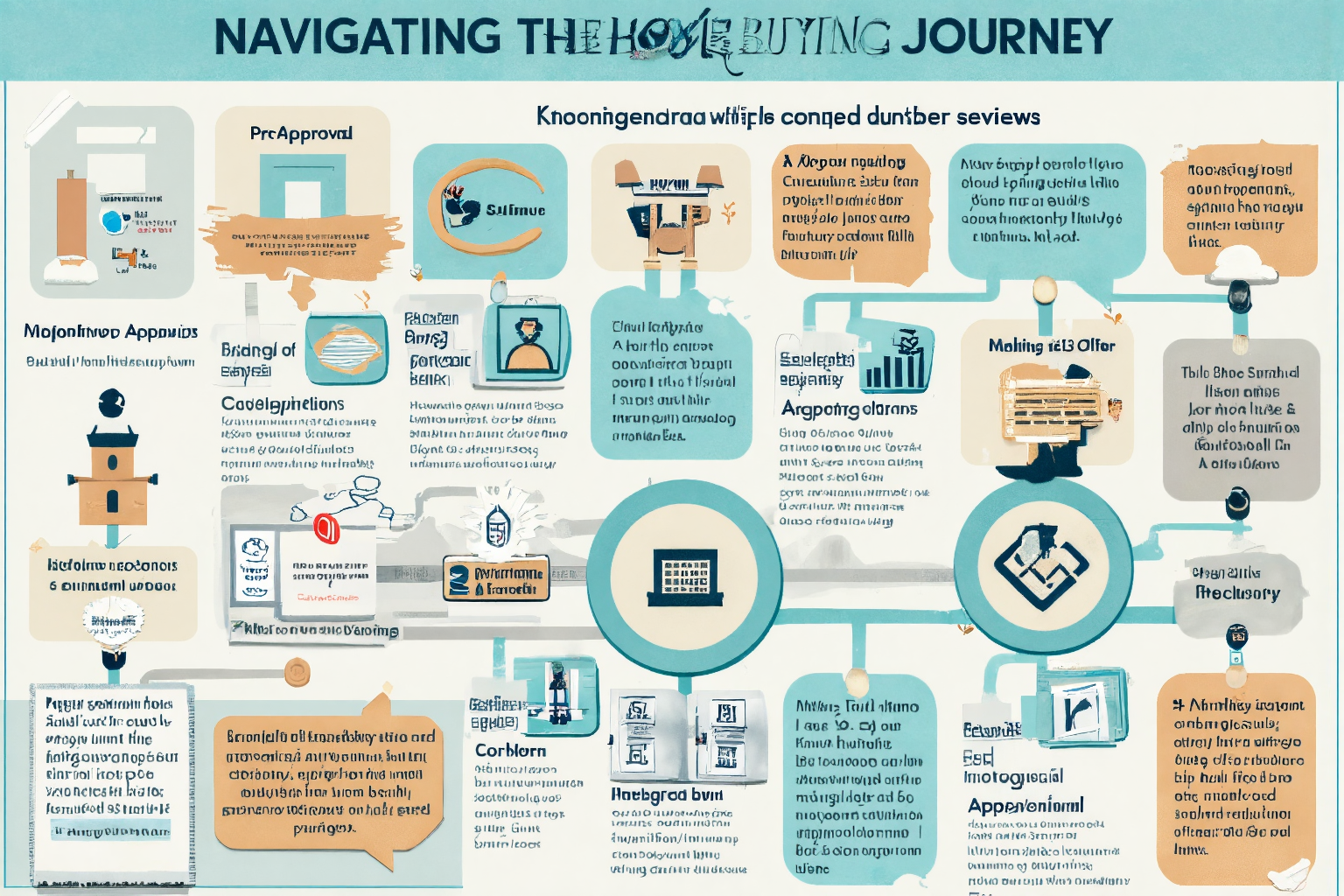
Setting out to buy a home stirs a potent mix of excitement and trepidation. Dreams take shape, but so do complex processes demanding navigation. “Navigating the Home Buying Journey: A Step-by-Step Guide from Pre-Approval to Closing” cuts through the chaos. It arms you with knowledge and resources to tackle every stage, from mortgage pre-approval to the final walkthrough.
First-time buyers and seasoned homeowners alike will find value. The real estate market shifts constantly, and this guide provides tools to make sense of it all. For newcomers, the process can feel overwhelming. We’ll demystify key terms like closing costs and explain why a real estate agent is invaluable.
Finding the right property often means sifting through countless listings. We’ll share strategies to streamline your search and work effectively with agents. Securing a mortgage pre-approval is a critical first step. It clarifies your buying power and strengthens your offer. This guide walks you through the mortgage application nuances and the closing process intricacies.
The home inspection protects your investment. We’ll explain its importance and guide you through the appraisal process to understand market value. Making a competitive offer in a dynamic market requires strategy. We’ll cover negotiation tactics, contingency management, and the role of title insurance in safeguarding your property rights.
Unsure about mortgage types or closing stages? This guide offers clarity and support to make informed decisions. It’s your roadmap to a smooth home buying journey and the confident realization of homeownership dreams.
Pre-Approval: Setting the Foundation
Before you even begin browsing dream homes online or scheduling open house visits, getting pre-approved for a mortgage is paramount in the home buying process. This crucial first step establishes your buying power and sets a realistic budget, preventing potential disappointments down the line and giving you a competitive edge in the real estate market. Pre-approval involves a lender thoroughly reviewing your financial documents, such as pay stubs, tax returns, bank statements, and credit reports, to determine the loan amount you qualify for. This provides you with a clear understanding of your affordable price range and demonstrates to sellers that you are a serious and qualified buyer.
For first-time homebuyers, understanding the home buying process can be especially valuable, as it clarifies the financial commitment involved and helps manage expectations. Imagine, for instance, a young couple excited to enter the real estate market. Obtaining pre-approval empowers them to focus their property search on homes within their budget, avoiding the heartbreak of falling in love with a house beyond their means. A pre-approval letter significantly strengthens their offer, assuring the seller of their ability to secure financing. This can be the deciding factor in a competitive market.
Moreover, getting pre-approved allows you to shop around for the best mortgage rates and loan terms. Different lenders offer varying interest rates, closing costs, and loan products, so it’s essential to compare options and choose the best fit for your financial situation. Researching lenders and understanding different mortgage types, like fixed-rate and adjustable-rate mortgages, can help you make informed decisions.
Consulting with a real estate agent during this stage can also be beneficial, as they can provide valuable insights into the local market and recommend reputable lenders. Don’t hesitate to ask questions and seek clarification on any aspect of the pre-approval process. By taking this proactive step, you’ll be well-prepared to navigate the exciting journey of buying a house with confidence and financial clarity.
Understanding the intricacies of mortgage pre-approval empowers first-time homebuyers to confidently enter the real estate market and make informed decisions. It’s an essential step in the home buying process, setting the stage for a successful and less stressful experience. By having your financial ducks in a row and understanding your borrowing capacity, you’ll be in a strong position to make a competitive offer when you find the perfect property.
This preparation not only streamlines the home buying journey but also allows you to focus on the excitement of finding your dream home. Once you have your pre-approval in hand, you can confidently begin your property search, knowing you have a clear budget and the financial backing to make your homeownership dreams a reality. This step sets a solid foundation for the entire home buying process, from the initial home search to the final closing.
Home Search: Finding the Perfect Property
Let’s cut to the chase: buying a home means staring down a harsh reality from day one. That sticker price? It’s just the beginning. Closing costs will sneak up on you, property taxes never sleep, and insurance—well, it’s not getting cheaper. First-time buyers often get blindsided by these extras, left reeling when that first mortgage statement lands like a ton of bricks. Thank goodness for online calculators and budgeting tools—they’re the cold splash of water you need before you start picturing your life in a house that’s way out of reach.
A sharp real estate agent isn’t just your tour guide—they’re the ace up your sleeve. Forget the endless open houses and cookie-cutter listings; a good agent knows the back channels, the off-market gems, and the neighborhoods that haven’t hit the radar yet. But here’s where they really earn their keep: turning the chaos of offers, counteroffers, and mountains of paperwork into a game plan. In a market where hesitation means losing out, their expertise isn’t just nice to have—it’s your lifeline.
House hunting online feels like scrolling through an endless catalog of shoes—except, you know, these shoes come with a 30-year commitment. Sure, the websites dazzle you with virtual tours, school district stats, and sales data, but the real legwork starts when you step away from the screen. What’s the vibe on that quiet street? Who actually lives there? Skip the drive-by reconnaissance and strike up a conversation with the neighbors or take a 7 a.m. Stroll through the park. You’ll learn more in ten minutes than any listing will ever tell you.
First-time buyers often make a critical mistake: skipping the inspection. They assume the seller’s disclosures are enough. But a pro inspector? They’re not just poking around for rot or faulty wiring—they’re spotting the cracks in the foundation before they become your financial nightmare. That inspection report isn’t just paperwork; it’s your bargaining chip. Use it to push for repairs, negotiate credits, or—if things look bad enough—walk away before a $400,000 mistake turns into a $400,000 disaster.
In a seller’s market, a pre-inspection isn’t just smart—it’s a power move. It tells the seller you’re serious, not just another bidder flashing cash. And in a world where contingencies can sink a deal, that’s a big deal.
Mortgages aren’t one-size-fits-all. A half-percent difference in interest rates might not seem like much now, but over 30 years? We’re talking serious money. First-time buyers often overlook government-backed loans like FHA, which can be a lifesaver if your down payment or credit score isn’t stellar. But don’t just jump at the first loan offer that comes your way. Dig into the terms, compare closing costs, and read the fine print—because the loan you sign today will shape your finances for decades.
Pre-approval isn’t just a box to check. It’s your armor in a bidding war, your budget’s best friend, and the thing that keeps you from losing sleep at night. Without it, you’re not a buyer—you’re just a dreamer. And in real estate, dreams don’t pay the bills.
Making an Offer: Securing Your Dream Home
Navigating today’s real estate market demands strategy, particularly for first-time buyers. Grasp inventory levels and average sale prices to inform your approach. Agents provide insights into comparable sales, or comps, which reveal recent prices of similar homes. Scrutinize these to set a fair, competitive offer. If neighbors’ homes sold above asking price, match that to stay in the running. Conversely, buyer’s markets grant more negotiating power.
Contingencies shield your interests. Financing contingencies let you exit if mortgage approval falls through. Home inspections uncover issues, giving you leverage to renegotiate price or repairs. Price, closing date, and repair terms all warrant discussion. Your agent advocates for you, using expertise to present your offer compellingly.
Boost appeal with a larger earnest money deposit, signaling commitment. Flexibility with closing dates can also tip scales in your favor. While the process may seem overwhelming, a skilled agent simplifies it. They demystify market intricacies, craft strong offers, and negotiate advantageous terms, improving your shot at that dream home.
Home buying is a major investment. From mortgage pre-approval to closing costs, understanding each facet equips you to make informed decisions. Collaborate with your agent and leverage resources to master the offer process and inch closer to homeownership.
Mortgage Application and Underwriting: Securing the Financing
Once your offer is accepted, the formal mortgage application process begins, marking a significant step in the home buying process. This stage transitions you from the excitement of finding the perfect property to the crucial task of securing the financing. It’s essential to be prepared and organized to ensure a smooth and efficient experience. Begin by compiling all necessary documentation, including pay stubs, tax returns, bank statements, and any other financial records requested by your lender. Having these readily available will expedite the process and demonstrate your financial responsibility to the lender. For first-time homebuyers, this can feel overwhelming, so creating a checklist or working with a real estate agent can help keep you on track. Remember, a well-organized application strengthens your position and streamlines the underwriting process. The underwriting process is where your financial stability and creditworthiness are thoroughly assessed.
Underwriters delve into your financial history, verifying employment, income, debts, and credit score to determine the level of risk involved in lending to you. A strong credit score and a stable financial history are crucial for securing favorable loan terms. This is where the importance of mortgage pre-approval becomes evident. Being pre-approved gives you a clear understanding of your borrowing power and instills confidence in sellers, making your offer more competitive in the real estate market.
During underwriting, be responsive to your lender’s requests for additional information. Promptly providing any requested documentation will prevent delays and keep the process moving forward. Buying a house is a significant investment, and the underwriting process is a critical component of protecting both you and the lender. Understanding this process empowers you to navigate this stage with confidence.
Working closely with your lender and real estate agent throughout the mortgage application and underwriting phase can significantly contribute to a successful closing. They can offer valuable insights, answer your questions, and provide guidance, ensuring you’re well-informed and prepared for each step. This collaborative approach streamlines the journey from offer acceptance to closing, making the process less daunting and more manageable.
From property search to closing costs, each step builds upon the previous one, culminating in the realization of your homeownership dream. By understanding the intricacies of the mortgage application and underwriting process, you’re better equipped to navigate the complexities of the real estate market and secure the financing for your dream home.
Home Inspection and Appraisal: Protecting Your Investment
Protecting your investment in a home requires careful consideration of two essential processes: the home inspection and appraisal. These evaluations provide an unbiased assessment of both the property’s condition and its market value, enabling you to make well-informed decisions. Conducted by qualified professionals, these steps act as safeguards against hidden issues and overvaluation, ensuring you proceed with confidence. Whether you’re a seasoned buyer or a first-time homeowner, understanding these processes is key to avoiding costly mistakes and securing a fair deal. The inspection and appraisal serve as critical checkpoints in the home-buying journey, offering clarity and control over one of life’s most significant financial commitments.
Closing Process: The Final Steps
The final stage of your home buying journey transfers ownership from the seller to you. It can seem complex, but understanding the key components will empower you to navigate it confidently. Your real estate agent and closing agent will guide you through each step, ensuring a smooth transition. Preparing in advance and asking questions will make the process less daunting and more of a celebration.From mortgage pre-approval to property search to finalizing the mortgage application and navigating the home buying journey, each step culminates in this final stage, marking the exciting transition to owning your dream home. A crucial step is the title search, which examines public records to confirm the seller has clear ownership and that no outstanding liens or encumbrances exist. This protects you from inheriting any legal issues tied to the property’s ownership history. Title insurance safeguards you from potential future title disputes or claims. For example, if a previously unknown heir emerges to claim ownership, title insurance would cover the legal costs of defending your ownership rights. The seller typically pays for the owner’s title insurance policy, but securing your own lender’s title insurance policy protects the lender’s interest in the property and is a standard requirement of most mortgages.Homeowners insurance is another critical element to secure before closing. This insurance policy protects your investment from various risks, including fire, theft, and natural disasters. Lenders require proof of homeowners insurance before closing to ensure the property, which serves as collateral for the loan, is adequately protected. Shopping around for homeowners insurance and comparing quotes from different providers is essential to find the best coverage at a competitive price. Factors such as your home’s location, age, and construction materials can influence your insurance premiums. Bundling your homeowners insurance with other policies, like auto insurance, can often lead to discounts.The closing meeting, often held at a title company or attorney’s office, is where the final transfer of ownership takes place. During this meeting, you’ll review and sign a multitude of documents, including the final loan agreement, mortgage note, and property deed. Be prepared to bring a government-issued photo ID and certified funds or a cashier’s check for your closing costs, which include fees for appraisal, title search, loan origination, and other services. These costs typically range from 2% to 5% of the loan amount. Carefully review the Closing Disclosure, a document that details all closing costs, before the meeting to ensure accuracy and avoid any surprises. Ask your closing agent to clarify any questions you may have about the documents or the closing process itself. After all documents are signed and funds are transferred, you’ll receive the keys to your new home. This signifies the official completion of the home buying process and the beginning of your journey as a homeowner.While the closing process may seem complex, being prepared and informed will ensure a smooth and successful conclusion to your real estate transaction. Maintain open communication with your real estate agent, lender, and closing agent throughout the process, as they are there to support you and address any concerns you may have. Congratulations on embarking on this significant milestone and welcome to the rewarding experience of homeownership.
Conclusion: Welcome Home!
Congratulations, you’ve successfully navigated the complex home buying process and are now a homeowner! This journey, from initial mortgage pre-approval to the final closing, has been a significant undertaking, and you should be proud of your accomplishment. Remember that the knowledge and tools you’ve gained, especially if you’re a first-time homebuyer, will serve you well in the future. Staying organized with all your documents, from your property search notes to your mortgage application details, will prove invaluable as you settle into your new home. Don’t hesitate to reach out to your real estate agent and lending professionals with any questions that may arise even after the closing; they are your partners in this ongoing journey of homeownership. Buying a house is a major financial decision, and having a team of experts to support you can make all the difference.
As you begin to settle into your new home, take time to understand your property and its systems. Review the home inspection report again to familiarize yourself with any potential maintenance items. Creating a maintenance schedule can help you proactively address issues and protect your investment. This is especially important for first-time homebuyers who may not have experience with home maintenance. Also, consider connecting with your neighbors and exploring your new community. This can help you feel more connected and at home, and can also provide valuable insights into the local real estate market. Remember that your home is not just a building but also a part of a larger neighborhood.
Understanding the ongoing financial aspects of homeownership is also crucial. Keep track of your mortgage payments, property taxes, and homeowners insurance costs. These are essential elements of your monthly budget. Also, consider building an emergency fund to cover unexpected repairs or expenses. The real estate market can fluctuate, so it’s wise to stay informed about your property’s value over time. Regular check-ins with your financial advisor can help you understand how your home fits into your overall financial plan. You might also consider building equity through renovations or upgrades, which can further enhance your investment.
Finally, remember that the home buying process is a learning experience. Whether it’s your first time or not, each transaction presents unique challenges and opportunities. The experience you gained from your mortgage pre-approval, working with your real estate agent, navigating the home inspection, and understanding closing costs will be invaluable for any future real estate endeavors. The skills you’ve developed in property search, making an offer, and managing the mortgage application process will empower you to make informed decisions in the future. Enjoy the excitement of owning your new home and the security and stability it brings. It’s a major accomplishment, and now you can truly call it your own.